
What is Zero Gravity?
Zero Gravity, also commonly referred to as weightlessness, is a phenomenon where a body is not affected by the Earth’s gravity. The term is usually used in space or in certain experimental conditions, where a person or any body does not feel its own weight.
On Earth, we all sense our physical presence through the force of gravity. When we walk, sit, or lift something, our bodies are pulled toward the Earth, and it is this force of gravity that keeps us grounded.But in a state of Zero Gravity, this effect of gravity disappears or is greatly reduced, and the body feels as if everything is floating in air.
Importance of Zero Gravity
Zero Gravity is not just an interesting phenomenon but is also very important for science and space exploration. It gives us information about the human body, atmosphere, and space machines.
- Effects on the human body: Different organs and systems of the human body react differently in Zero Gravity.
- Technological development: Understanding the principles of Zero Gravity is essential for building spacecraft and equipment.
- Space Exploration: Studying Zero Gravity is essential for traveling to Mars or the Moon.
Zero Gravity and everyday life
Although Zero Gravity is mostly felt in space, it can also be experienced on Earth under certain circumstances:
- Parabolic Flights: Special aircraft that soar deep into the sky and then plunge, providing a Zero Gravity experience for a few moments.
- Space Simulators: An environment similar to Zero Gravity is created for training during space exercises.
- Virtual Reality Experiments: Modern VR technology can give humans the feeling of Zero Gravity.
These experiments prepare humans so that they can easily work in Zero Gravity conditions during space missions.
Misconceptions about Zero Gravity
Most people think of Zero Gravity as the complete absence of gravity, but the truth is that gravity is always present near Earth or any planet. The state of Zero Gravity is actually a state of free fall, where a body does not feel gravity even while falling towards Earth.
For example, a spacecraft orbiting the Earth is actually constantly falling towards the Earth, but it is moving at such a speed that it does not reach the Earth. This is why people there do not feel weight and experience floating.
Difference between Gravity and Zero Gravity
Everything on Earth is under the influence of gravity, whether it is a person or an object. Gravity pulls the body downward on the surface of the Earth, which is why we walk, sit and work.
But in a state of Zero Gravity, the body does not feel the effect of gravity.
Scientifically, Zero Gravity is the state when a body is in free fall. This means that the body falls towards the Earth, but at the same time the movement of the body is such that it does not reach the Earth, but remains in orbit around the Earth. That is why astronauts or instruments floating in orbit do not feel weight.
Effects of Zero Gravity on the Human Body
Zero Gravity has several surprising and sometimes dangerous effects on the human body. These effects are manifested in various body systems:
Effects on muscles and bones
- While walking and standing on Earth, our muscles and bones are constantly working against gravity.
- In Zero Gravity, this pressure is eliminated, causing muscles to weaken and bones to become thin.
- Astronauts who spend long periods in Zero Gravity experience physical weakness and bone pain upon returning to Earth.
Heart and blood circulation
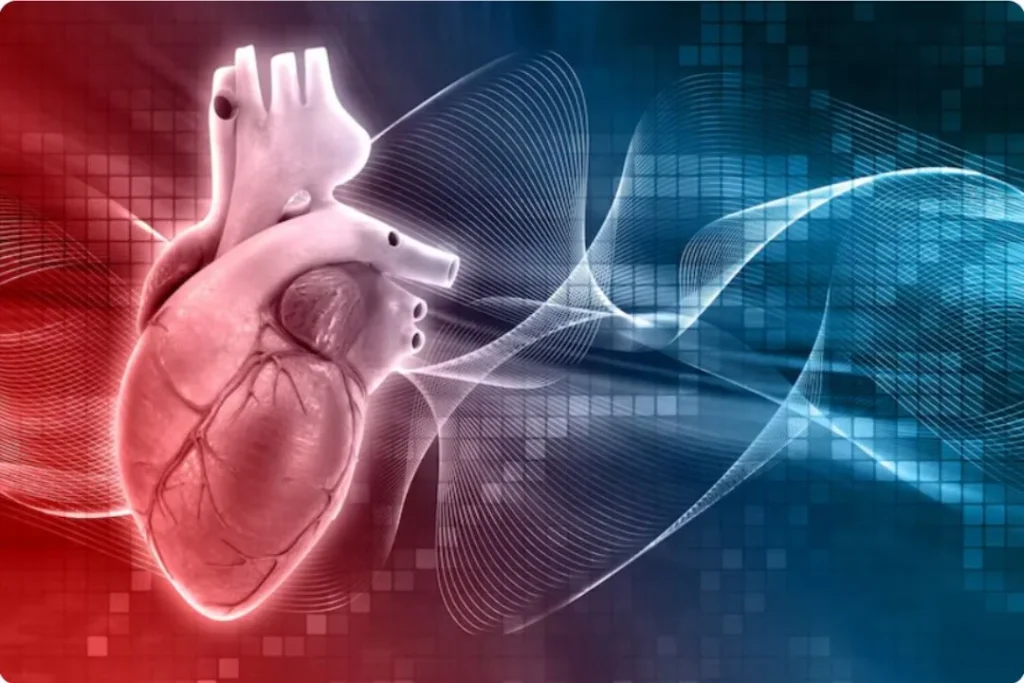
- On Earth, blood flows to the lower parts of the body due to gravity.
- In Zero Gravity, blood is evenly distributed between the upper and lower parts of the body, causing swelling in the face and neck.
- The pressure on the heart is also reduced, causing changes in heart rate and blood circulation for a long time.
Immune system and digestion
- The effects of Zero Gravity can weaken the immune system.
- Digestive function can also be affected, as food does not move through the stomach as easily.
Mind and Psychology
- The lack of gravity forces the brain to adjust to its new environment.
- In the early days, astronauts experience dizziness, fatigue, and nausea.
- In the long term, it can also affect a person’s sleep patterns and emotional state.
Zero Gravity and Human Experiments
Astronauts have learned many important things about the human body from Zero Gravity experiments:
- NASA research: Research into the effects of Zero Gravity on long space missions led to the development of specific exercise methods to maintain muscle and bone strength.
- Roscosmos experiments: Russian astronauts studied the effects of diet, sleep, and physical exercise in Zero Gravity.
- SpaceX and other private missions: Research is being conducted on human response, mental stress, and physical energy in Zero Gravity, so that long-term missions to Mars and other planets are possible in the future.
Physical Adaptation in Zero Gravity
In Zero Gravity, the body gradually adapts to the environment:
- Vestibular system: The system inside the ear, which maintains balance, takes on a new configuration in Zero Gravity.
- Muscular exercise: Astronauts do specific exercises so that their muscles do not weaken.
- Food and water distribution: Liquid and food move differently in Zero Gravity, so special technology is used in food management.
Effects on blood in Zero Gravity
Blood circulation on Earth is influenced by gravity. Under normal circumstances, the heart distributes blood between the upper and lower parts of the body, but in Zero Gravity this balance changes.
Increased blood flow to the face and neck
- In Zero Gravity, blood does not pool in the lower parts of the body.
- This results in swelling of the face and neck, and some astronauts have a “puffy” appearance.
Blood flow to the lower limbs decreases.
- The amount of blood in the legs and feet decreases.
- This can lead to problems such as weak muscles and fatigue over time.
Effects on the heart
- In Zero Gravity, the heart has to work less to pump blood, because the blood is circulating more freely.
- In the long term, this can affect the heart’s performance and heart rate.
Blood circulation and oxygen distribution
- Blood Dissolution and Oxygen Distribution
- In zero gravity, there may be a slight change in blood viscosity (thinning).
- The distribution of oxygen and nutrients in the body is different, which sometimes makes astronauts feel tired or weak.
Future risks
- Humans living in Zero Gravity for long periods of time can have permanent effects on the heart and circulatory system.
- Space missions attempt to improve blood circulation through exercise, diet, and special equipment.
Zero Gravity FAQs (Frequently Asked Questions)
What is Zero Gravity?
Zero Gravity is a state in which a body does not feel the effects of Earth’s gravity. This usually occurs in space or under specific experimental conditions.
What is the difference between Zero Gravity and gravity?
Gravity pulls a body down on Earth or a planet, while in Zero Gravity the body does not feel weight and floats freely.
What are the effects of Zero Gravity on the human body?
In Zero Gravity:
- Muscles become weak
- Bones may become thin
- Heart and blood circulation changes
- Swelling of the face and neck may occur
- Mind and balance may be affected
How does blood move in Zero Gravity?
In Zero Gravity, blood does not pool in the lower parts of the body, the face and neck become swollen, and the heart has to work less hard to pump blood.
What are the benefits of Zero Gravity?
- Helps understand new limits of muscle and body movement
- Essential for space research and technological advancement
- Helps prepare the human body for space tourism and long missions
What are the disadvantages of Zero Gravity?
- Bone and muscle weakness
- Heart and circulatory problems
- Long-term physical and mental effects
- Difficulty moving food and water
Can Zero Gravity be experienced on Earth?
Yes, Zero Gravity can be experienced on Earth in certain circumstances:
- Parabolic flights (special aircraft)
- Space simulators
- Virtual Reality experiences
(Conclusion)
Zero Gravity is a unique and exciting phenomenon in human life and space exploration. It not only helps to understand the limitations and responses of the human body, but is also important for future space tourism and long-duration missions. Although it has some physical and psychological effects, with the help of proper training and technology, humans can successfully adapt to this environment.