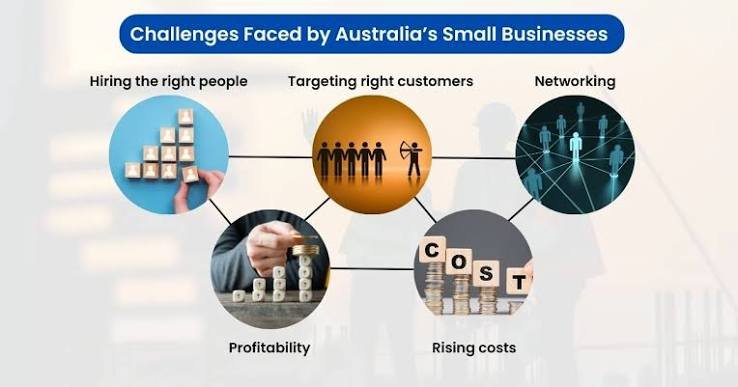
Running a small business comes with many challenges, and attracting new customers is often one of the biggest. With limited budgets, small teams, and growing competition, business owners need practical ways to reach the right people without spending more than they can afford. This is where online marketing can make a real difference.
Today, customers often search online before choosing a product, booking a service, or visiting a local business. They compare prices, read reviews, explore websites, and check social media to decide which company deserves their trust. For small businesses, this creates an opportunity to connect with potential customers and compete more effectively, even without the marketing budget of a large company.
The good news is that attracting customers online does not always require expensive advertising or complicated technology. With a clear strategy, useful content, and consistent effort, small businesses can build their online presence, develop customer relationships, and increase sales over time.
1. Understand Your Target Customers
Before investing time or money in online marketing, it is important to understand who you want to reach. Many small businesses make the mistake of trying to appeal to everyone, which can make their marketing messages too broad to connect with anyone in particular.
Start by identifying the people most likely to need your products or services. Consider their interests, problems, preferences, location, and buying habits. Think about what they are searching for online and what might prevent them from choosing your business.
For example, a local bakery may want to attract nearby families, office workers, and people planning special events. A freelance designer might focus on startups and small companies that need affordable branding services.
Understanding these differences helps businesses create more relevant marketing messages and choose the right platforms to reach their audiences.
You can learn more about your customers by asking for feedback, reviewing customer questions, studying website analytics, and observing conversations on social media. Even a few simple conversations can reveal useful information about what people value most.
When you understand your audience, your marketing becomes more focused, practical, and effective.
2. Create a Professional and User-Friendly Website
A website is often one of the first places potential customers visit when they want to learn more about a business. It acts as a digital storefront, providing information about your products, services, prices, and company values.
For small businesses, a professional website can help establish credibility and turn interested visitors into paying customers.
Your website does not need to be complicated. It should clearly explain what your business offers, who it serves, and how customers can get started. Important information, such as contact details, service descriptions, opening hours, and calls to action, should be easy to find.
Mobile-friendly design is equally important because many people browse and shop using their phones. A website that loads slowly or makes visitors struggle to navigate may cause potential customers to leave before taking action.
Consider adding customer testimonials, genuine reviews, product photographs, or examples of previous work to build confidence. If you provide services, explain how your process works and what customers can expect.
Most importantly, make the next step clear. Whether you want visitors to call, request a quote, book an appointment, or purchase a product, guide them toward that action without unnecessary distractions.
3. Use Local SEO to Reach Nearby Customers
For businesses that serve a particular area, local search engine optimization (SEO) can be one of the most useful ways to attract customers.
Local SEO helps businesses improve their visibility when people search for nearby products and services. Searches such as “plumber near me,” “best coffee shop nearby,” or “affordable hair salon in my area” often indicate that someone is actively looking for a business.
Start by creating or improving your Google Business Profile if your business is eligible. Make sure your business name, address or service area, phone number, opening hours, website, and service information are accurate.
Adding high-quality photos and responding professionally to customer reviews can also help people understand what your business offers.
Your website should include relevant location information and clearly describe your services. For example, a cleaning company serving several towns can create useful pages explaining its services in each area, provided the pages contain genuinely helpful and specific information.
It is also worth encouraging satisfied customers to leave honest reviews. Reviews can influence purchasing decisions and help potential customers feel more comfortable choosing your business.
Local SEO usually takes time, but it can become a valuable source of relevant traffic and inquiries as your online presence grows.
4. Build a Strong Social Media Presence
Social media gives small businesses an affordable way to introduce themselves to potential customers, showcase their products, and maintain relationships with existing buyers.
Platforms such as Facebook, Instagram, LinkedIn, and TikTok offer different opportunities, so the best choice depends on your audience and industry.
A business selling handmade products might benefit from visual content on Instagram, while a professional consulting company may find LinkedIn more useful for reaching business clients.
You do not need to be active on every platform. Start with one or two channels where your target customers are most likely to spend time, then focus on creating useful and consistent content.
Your posts can include product demonstrations, helpful tips, behind-the-scenes videos, customer stories, answers to common questions, and occasional special offers.
For example, a small restaurant could share photographs of its daily specials, introduce its team, and post short videos showing how popular dishes are prepared. This gives potential customers a better sense of the experience before visiting.
Social media should not feel like a constant stream of advertisements. People are more likely to engage with businesses that provide useful information, respond to comments, and participate in conversations naturally.
Consistency and genuine interaction can help turn casual followers into interested customers.
5. Create Helpful Content That Solves Customer Problems
Content marketing is an effective way for small businesses to demonstrate expertise and attract people who are looking for information related to their products or services.
Instead of focusing entirely on selling, create content that answers questions, explains common problems, and helps customers make better decisions.
For example, a landscaping business could publish advice about maintaining a healthy lawn, while an accounting firm might explain common tax preparation mistakes. An online clothing store could share practical guides about choosing the right fit or caring for different fabrics.
This type of content gives potential customers a reason to discover your business even when they are not ready to make a purchase immediately.
Useful content can take many forms, including blog articles, short videos, infographics, tutorials, email newsletters, and social media posts.
You do not need to publish something new every day. A realistic schedule that allows you to maintain quality is usually more practical than creating large amounts of content without a clear purpose.
You can also reuse existing content across different platforms. A detailed blog article, for instance, can become several short social media posts or a video answering one specific question.
Over time, helpful content can strengthen brand awareness, support SEO, and build trust with potential customers.
6. Use Email Marketing to Stay Connected With Customers
Attracting a new customer is important, but maintaining contact with interested people can be just as valuable.
Email marketing allows small businesses to communicate directly with people who have chosen to receive their updates. It can help nurture potential customers, announce new products, share useful information, and encourage repeat purchases.
To get started, create a simple sign-up opportunity on your website or social media pages. You might offer a useful guide, product updates, exclusive offers, or a regular newsletter in exchange for permission to send emails.
Once people subscribe, focus on sending messages that provide genuine value. Avoid overwhelming subscribers with constant promotions.
For example, a fitness studio could send workout advice and class updates, while a local retailer might share seasonal products and occasional discounts.
You can also organize your subscribers according to their interests or previous purchases, allowing you to send more relevant messages.
Track basic performance indicators such as clicks, conversions, unsubscribes, and sales generated by campaigns. These metrics can help you understand which messages are useful to your audience.
Always follow applicable email marketing and privacy rules, including consent requirements and unsubscribe obligations.
With consistent, relevant communication, email marketing can help your business remain memorable and encourage customers to return.
7. Try Paid Online Advertising With a Small Budget
Organic marketing methods such as SEO and social media can deliver valuable results, but they often require time. Paid advertising can help small businesses reach potential customers more quickly when campaigns are carefully planned.
Options include Google Ads, Facebook and Instagram ads, LinkedIn advertising, and other platforms that allow businesses to target specific audiences.
The key is to start with a clear goal. Do you want more phone calls, website purchases, appointment bookings, or quote requests? Defining the desired outcome helps you choose the right campaign and measure whether it is working.
Start with a manageable budget that your business can afford to test. You do not need to spend heavily from the beginning.
For example, a local home repair company might run a targeted search campaign for a specific service in its coverage area. A small online store might advertise one of its best-selling products to an audience likely to be interested in it.
Make sure your advertisements lead to relevant landing pages. If an advertisement promotes a particular service, visitors should arrive at a page that explains that service and makes it easy to contact the business.
Monitor the results regularly. Pay attention to the cost of acquiring a customer, the quality of leads, and the revenue generated, rather than judging success only by clicks or impressions.
A small, well-managed campaign can be more valuable than a larger campaign that attracts the wrong audience.
8. Encourage Customer Reviews and Recommendations
Word-of-mouth remains a powerful source of new business, and online reviews allow customers to share their experiences with a much wider audience.
When people are deciding between businesses, they often look for evidence that other customers have received good service or value for their money.
Small businesses can encourage honest reviews by making the process simple. After completing a purchase or service, politely invite customers to share their experience on an appropriate platform.
Respond to reviews professionally, including negative ones. A thoughtful response to criticism can show that your business takes customer concerns seriously and is willing to improve.
Never purchase fake reviews or pressure customers into leaving only positive feedback. Genuine customer experiences are more valuable for building long-term credibility.
You can also encourage referrals by delivering excellent service and making it easy for satisfied customers to recommend your business to friends, family, or colleagues.
Some businesses use referral programs that reward customers for successful recommendations, provided the incentives are transparent and comply with relevant rules.
A strong reputation can make it easier to convert potential customers who are discovering your business for the first time.
9. Make the Most of Free Online Marketing Tools
Small businesses often operate with limited resources, so choosing affordable tools can make marketing more manageable.
Fortunately, several platforms offer useful features at no cost or provide free entry-level plans.
Here are some examples:
- Google Analytics: Helps you understand website traffic and visitor behavior.
- Google Search Console: Provides information about your website’s performance in Google Search.
- Google Business Profile: Helps eligible businesses manage their presence on Google Search and Maps.
- Canva: Makes it easier to create social media graphics and other visual materials.
- Mailchimp: Offers email marketing tools, with available features depending on the current plan.
- Meta Business Suite: Helps businesses manage Facebook and Instagram content and review performance.
- Google Trends: Helps you explore changes in search interest over time.
The best tool depends on what your business needs. You do not have to use every platform, and free plans may include usage limits or paid features.
Start with tools that solve immediate problems. For example, if your website attracts visitors but few people contact you, analytics and conversion tracking may be more useful than adding another social media management tool.
Technology should make your marketing easier to manage, not create unnecessary work.
10. Improve Your Website’s Conversion Rate
Attracting visitors is only part of the process. You also need to make it easy for those visitors to become customers.
Conversion rate optimization involves identifying and fixing problems that prevent people from taking the action you want them to take.
A visitor might leave your website because the pricing is unclear, the contact form is too long, the checkout process is confusing, or the business does not provide enough information to build trust.
Small improvements can sometimes produce meaningful results.
For instance, a service provider could make its phone number more visible, simplify its quote request form, or add a clear explanation of what happens after a customer submits an inquiry.
An online store might improve product descriptions, display delivery information earlier, or make its checkout process easier to complete on mobile devices.
Use customer feedback and website data to identify the most likely problems before making changes. If possible, test different versions of important pages to determine which performs better.
Improving conversion rates can help a business generate more inquiries or sales from its existing traffic without immediately increasing its marketing budget.
11. Focus on Customer Retention, Not Just New Customers
While attracting new customers is essential, long-term growth also depends on encouraging existing customers to return.
Satisfied customers may purchase again, recommend your business, and become more familiar with your products or services. These relationships can help create a more stable source of revenue.
Start by providing a reliable customer experience. Deliver what you promise, communicate clearly, and make it easy for customers to get support when they need it.
Follow-up messages can also be helpful. You might ask whether a customer is satisfied with a recent purchase, share instructions for using a product, or remind them when a repeat service may be useful.
Loyalty programs, personalized offers, and exclusive benefits can encourage repeat business when they genuinely benefit customers.
For example, a neighborhood coffee shop might offer a simple loyalty program, while a professional service provider could maintain relationships through useful updates and periodic check-ins.
The goal is to build relationships rather than focus on one-time transactions. When customers feel valued and consistently receive good service, they have more reasons to choose your business again.
12. Track Your Results and Adjust Your Strategy
Online marketing becomes more effective when decisions are based on evidence rather than guesswork.
You do not need a complicated reporting system to begin. Choose a few metrics that reflect your business goals and review them regularly.
Useful indicators include:
- Website visits from relevant audiences.
- Phone calls, quote requests, and appointment bookings.
- Conversion rates and completed purchases.
- Customer acquisition costs.
- Email clicks and resulting conversions.
- Repeat purchases and customer retention.
- Revenue generated by individual marketing channels.
Suppose your social media account receives plenty of engagement but generates very few inquiries. You might need to adjust your content, improve your calls to action, or make your services easier to find.
Alternatively, if your website receives relevant traffic from search engines and generates consistent leads, investing more effort in SEO may be worthwhile.
Give marketing activities enough time to produce meaningful evidence, while making timely adjustments when a campaign clearly underperforms.
Regular reviews help small businesses avoid wasting money on ineffective tactics and identify opportunities to improve their results.
A Simple Online Marketing Plan for Small Businesses
Getting started can feel overwhelming, especially when you are managing several responsibilities at once. The easiest approach is to focus on a few important activities and build from there.
Here is a practical starting plan:
First month: Build your foundation
- Improve your website and make contact information easy to find.
- Set up or update your eligible Google Business Profile.
- Identify your target customers and main marketing goals.
- Choose one or two social media platforms to focus on.
Second month: Attract potential customers
- Publish helpful content that answers common customer questions.
- Ask satisfied customers for honest reviews.
- Begin collecting email subscribers with appropriate consent.
- Test a small advertising campaign if your budget allows.
Third month: Measure and improve
- Review website traffic, inquiries, and sales.
- Identify which channels bring in the most relevant customers.
- Improve pages or campaigns that are underperforming.
- Develop a follow-up process to encourage repeat purchases.
This plan can be adjusted according to your industry, available time, and budget. The main objective is to create a manageable routine that your business can maintain.
Conclusion
Attracting more customers through online marketing does not have to be complicated or expensive. Small businesses can make meaningful progress by understanding their audience, building a professional website, improving local search visibility, and using social media to create genuine connections.
Content marketing, email campaigns, customer reviews, and targeted advertising can help bring new people into contact with your business. Meanwhile, conversion optimization and customer retention can turn that attention into sales and lasting relationships.
The most important thing is to avoid spreading your resources too thin. Rather than trying every marketing trend at once, choose the channels that make sense for your customers and focus on improving them consistently.
Online marketing is a long-term investment. Results may not appear overnight, but regular effort, thoughtful planning, and a willingness to learn can help your business build visibility and credibility over time.
By putting customers first and making smart use of the digital tools available, even a small business can reach new audiences, earn customer trust, and create a stronger foundation for sustainable growth.