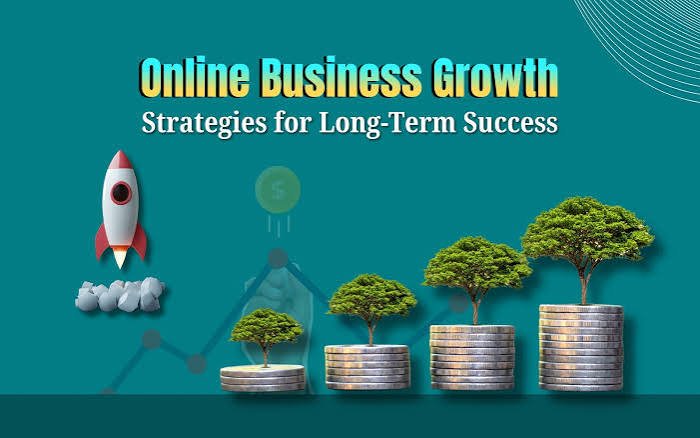
In today’s digital world, having a strong online presence is no longer optional for businesses that want to grow and stay competitive. Customers search online for products, compare services, read reviews, and look for brands they can trust before making purchasing decisions. This creates an opportunity for businesses to reach the right audience, build meaningful relationships, and increase sales through effective online marketing.
However, long-term success requires more than running advertisements or posting regularly on social media. A powerful online marketing strategy combines clear goals, audience understanding, valuable content, search engine optimization, social media engagement, and consistent performance tracking. When these elements work together, businesses can create a sustainable marketing approach that supports growth over time.
1. Set Clear and Achievable Marketing Goals
Every successful marketing strategy begins with a clear understanding of what the business wants to achieve. Without specific goals, it becomes difficult to measure progress or determine whether marketing activities are producing meaningful results.
Some businesses may want to increase website traffic, while others may focus on generating leads, improving customer retention, or increasing online sales. The important thing is to choose goals that align with the overall business objectives.
For example, a small business might aim to increase organic website traffic over the next six months or generate more qualified leads through its website. These goals provide direction and help the marketing team focus on activities that deliver measurable value.
It is also important to review these goals regularly. As the business grows and customer expectations change, marketing priorities may need to change as well.
2. Understand Your Target Audience
One of the biggest mistakes businesses make is trying to market their products or services to everyone. A more effective approach is to identify the people most likely to benefit from what the business offers.
Understanding your target audience involves learning about their needs, interests, challenges, purchasing habits, and online behavior. This information helps businesses create marketing messages that feel relevant and personal rather than generic.
Customer surveys, website analytics, social media comments, and direct conversations can all provide useful insights. Businesses should also pay attention to the questions customers ask before making a purchase and the problems they want to solve.
Once the target audience is clearly defined, it becomes easier to select the right marketing channels, develop useful content, and communicate the value of a product or service. A message that speaks directly to a customer’s needs is more likely to attract attention and build trust.
3. Build a Professional and User-Friendly Website
A business website often serves as the foundation of its online marketing strategy. It gives potential customers a place to learn about the company, explore its offerings, and decide whether to take the next step.
A professional website should be easy to navigate, visually appealing, and accessible on mobile devices. Visitors should be able to find important information without unnecessary effort. Pages should load quickly, contact details should be easy to locate, and calls to action should clearly explain what visitors can do next.
For example, an online store may encourage visitors to browse products and complete purchases, while a service-based business might focus on appointment bookings or consultation requests.
Trust is equally important. Customer testimonials, transparent pricing where appropriate, clear service descriptions, and accessible contact information can help visitors feel more confident about doing business with a company.
A well-designed website does more than create a good first impression. It helps turn marketing traffic into genuine business opportunities.
4. Invest in Search Engine Optimization (SEO)
Search engine optimization is an important part of building sustainable online visibility. It helps businesses improve their chances of appearing when potential customers search for relevant products, services, or information.
Unlike paid advertising, which generally stops generating traffic when the budget runs out, effective SEO can continue attracting visitors over time. However, results usually take patience, consistent effort, and regular improvements.
A strong SEO strategy begins with keyword research. Businesses need to understand the words and phrases their target audience uses when searching online. These keywords should be incorporated naturally into website pages, blog posts, headings, and product descriptions.
Technical SEO also matters. A website should be easy for search engines to crawl, work properly on mobile devices, and provide a good user experience. Creating useful content, improving internal links, and earning relevant backlinks can further strengthen a website’s search visibility.
Most importantly, businesses should focus on helping people rather than simply trying to rank for keywords. Content that answers real questions and provides practical information is more likely to attract relevant visitors and build credibility over time.
5. Create Valuable and Consistent Content
Content marketing allows businesses to demonstrate their expertise, answer customer questions, and build relationships before asking people to make a purchase.
Useful content can take many forms, including blog articles, videos, how-to guides, case studies, email newsletters, infographics, and social media posts. The best format depends on the audience and the type of information being shared.
For example, a marketing agency might publish articles about improving website conversions, while a fitness business could share workout guidance and healthy lifestyle tips. In both cases, the goal is to provide information that helps the audience solve a problem.
Consistency is more important than publishing a large amount of content in a short period. A realistic content schedule helps businesses maintain quality without overwhelming their teams.
It is also worth updating older content when information becomes outdated or new insights become available. A useful article can continue delivering value long after its publication date if it remains accurate and relevant.
Over time, high-quality content can improve search visibility, strengthen brand recognition, and help potential customers feel more confident about choosing a business.
6. Use Social Media to Build Genuine Relationships
Social media gives businesses an opportunity to communicate directly with customers, share their personality, and stay visible between purchases.
However, effective social media marketing is not simply about posting promotional messages every day. People are more likely to engage with brands that offer useful information, respond to questions, and participate in conversations naturally.
Businesses should choose platforms based on where their target audience spends time. LinkedIn may be valuable for reaching professional audiences, while Instagram, Facebook, TikTok, or other platforms may be more suitable for different customer groups and content styles.
A balanced social media plan might include educational posts, customer stories, product demonstrations, behind-the-scenes content, and occasional promotional offers.
Engagement deserves just as much attention as publishing. Responding to comments, answering direct messages, and listening to customer feedback can help businesses build stronger relationships.
Rather than trying to maintain a presence on every platform, it is often more effective to focus on a few relevant channels and use them consistently.
7. Develop an Effective Email Marketing Strategy
Email marketing remains a valuable way to nurture customer relationships and encourage repeat business. Unlike social media, where visibility depends partly on platform algorithms, email gives businesses a more direct way to communicate with people who have chosen to receive their messages.
A strong email marketing strategy begins with building a permission-based subscriber list. Businesses can encourage sign-ups through useful resources, newsletters, special offers, or updates that provide genuine value.
The next step is to send relevant messages instead of treating every subscriber the same way. New subscribers might receive a welcome series, potential customers may benefit from educational information, and existing customers could receive helpful product guidance or loyalty offers.
Personalization can make these messages more useful. This does not always require advanced technology; even organizing subscribers by their interests or previous purchases can improve relevance.
Email campaigns should also have a clear purpose. Whether the goal is to share an article, announce a product, or encourage a repeat purchase, the message should be easy to understand and simple to act on.
By focusing on useful communication rather than constant promotion, businesses can build long-term customer loyalty.
8. Use Paid Advertising Strategically
Paid advertising can help businesses reach potential customers faster, test marketing messages, and generate leads while longer-term channels such as SEO continue developing.
Popular options include search advertising, social media advertising, display campaigns, and sponsored content. Each channel serves a different purpose, so the right choice depends on the business goals and audience.
Before launching a campaign, businesses should establish a clear budget, define the target audience, and decide what action they want users to take. That action might be completing a purchase, submitting a contact form, booking a consultation, or signing up for a newsletter.
It is also important to create relevant landing pages. Sending visitors to a page that does not match the advertisement can waste money and reduce conversions.
Paid campaigns should be monitored regularly. Businesses can test different headlines, images, audiences, and offers to discover what performs best. Underperforming campaigns should be adjusted rather than allowed to consume the budget without delivering results.
The goal is not simply to attract more clicks. It is to acquire customers at a cost that makes sense for the business.
9. Focus on Customer Experience and Retention
Long-term business growth depends on more than attracting new customers. Keeping existing customers satisfied can encourage repeat purchases, referrals, and positive word-of-mouth recommendations.
A good customer experience begins before the sale and continues afterward. Clear communication, reliable service, easy purchasing processes, and timely support all contribute to customer satisfaction.
Businesses should make it simple for customers to ask questions, resolve problems, and share feedback. When customers encounter difficulties, responding quickly and handling the situation professionally can help preserve trust.
Loyalty programs, personalized recommendations, helpful follow-up emails, and exclusive benefits may also encourage customers to return.
Customer retention is especially valuable because businesses have already invested effort in acquiring these customers. By developing strong relationships and consistently delivering on their promises, companies can create a more stable foundation for future growth.
10. Measure Performance and Improve Continuously
A marketing strategy should never remain unchanged simply because it worked well in the past. Customer behavior, competition, technology, and market conditions evolve, making regular performance analysis essential.
Businesses should track metrics that relate directly to their goals. These may include website traffic, conversion rates, qualified leads, customer acquisition costs, email engagement, repeat purchases, and overall revenue.
For example, an increase in website traffic may initially appear positive. However, if visitors are not taking meaningful actions, the business may need to improve its content, targeting, website experience, or calls to action.
Analytics tools can help identify which channels generate the most valuable results. Businesses can then allocate more resources to effective activities and improve or discontinue those that consistently underperform.
Regular reviews also make it easier to identify new opportunities. A particular article may attract substantial search traffic, a specific email campaign may generate more sales, or a social media format may produce stronger engagement than expected.
The purpose of measurement is not just to report numbers. It is to make better decisions and improve results over time.
11. Build a Consistent Brand Identity
A recognizable brand helps customers understand what a business represents and why they should choose it over competitors.
Brand consistency includes more than using the same logo and colors. It also involves maintaining a clear tone of voice, communicating a consistent message, and delivering a reliable customer experience across marketing channels.
For instance, a business that positions itself as friendly and approachable should reflect that personality in its website copy, social media responses, emails, and customer support.
Consistency makes a brand easier to recognize and can strengthen customer confidence. At the same time, businesses should avoid making promises they cannot deliver. A strong brand is built through the connection between what a company communicates and what customers actually experience.
Over time, a clear and trustworthy identity can help a business stand out in a crowded digital marketplace.
12. Adapt to Changing Digital Marketing Trends
Online marketing continues to evolve as customer expectations, platforms, and technologies change. Businesses that want sustainable growth need to stay informed without chasing every new trend.
Artificial intelligence, marketing automation, short-form video, conversational search, and changing search engine practices may create useful opportunities. However, adopting a new tool or platform should always serve a clear business purpose.
Before investing in a trend, consider whether it helps reach the target audience, improve the customer experience, reduce unnecessary work, or generate measurable value.
It is equally important to maintain strong fundamentals. Understanding customers, producing valuable content, maintaining a reliable website, and building trust remain essential regardless of which technologies become popular.
Businesses should experiment carefully, measure the results, and keep the approaches that genuinely help them serve customers better.
Conclusion
Building a powerful online marketing strategy for long-term business growth requires planning, consistency, and a willingness to learn. There is no single marketing channel that guarantees success. Instead, sustainable results come from combining the right activities and ensuring that each one supports the broader business objectives.
By understanding the target audience, building a professional website, investing in SEO, creating valuable content, engaging on social media, and developing strong email marketing campaigns, businesses can establish a reliable digital foundation. Paid advertising can accelerate growth when used strategically, while customer retention and performance analysis help make that growth more sustainable.
The most important principle is to focus on long-term value rather than quick wins. Businesses that listen to their customers, deliver on their promises, measure their progress, and improve their strategies over time are better positioned to build trust and remain competitive.
Online marketing success is not achieved overnight. It develops through small, consistent improvements that gradually strengthen visibility, relationships, and revenue. With a clear strategy and a customer-focused mindset, businesses can turn their online marketing efforts into a lasting driver of growth.